Integrated Parlay Structures: Merging Live Tennis Points, Equine Race Conclusions, and Digital Reel Progressions Through Bonus Tiers
Yara Hayes · Oct 28, 2026

Integrated Parlay Structures: Merging Live Tennis Points, Equine Race Conclusions, and Digital Reel Progressions Through Bonus Tiers
Operators have developed systems that connect live tennis developments, horse racing finishes, and casino reel sequences into single accumulator structures, with tiered bonus triggers activating at set thresholds across each category. These setups allow participants to combine events from distinct environments where one outcome influences the next through predefined multiplier layers rather than isolated wagers.
Core Components of Cross-Category Linkage
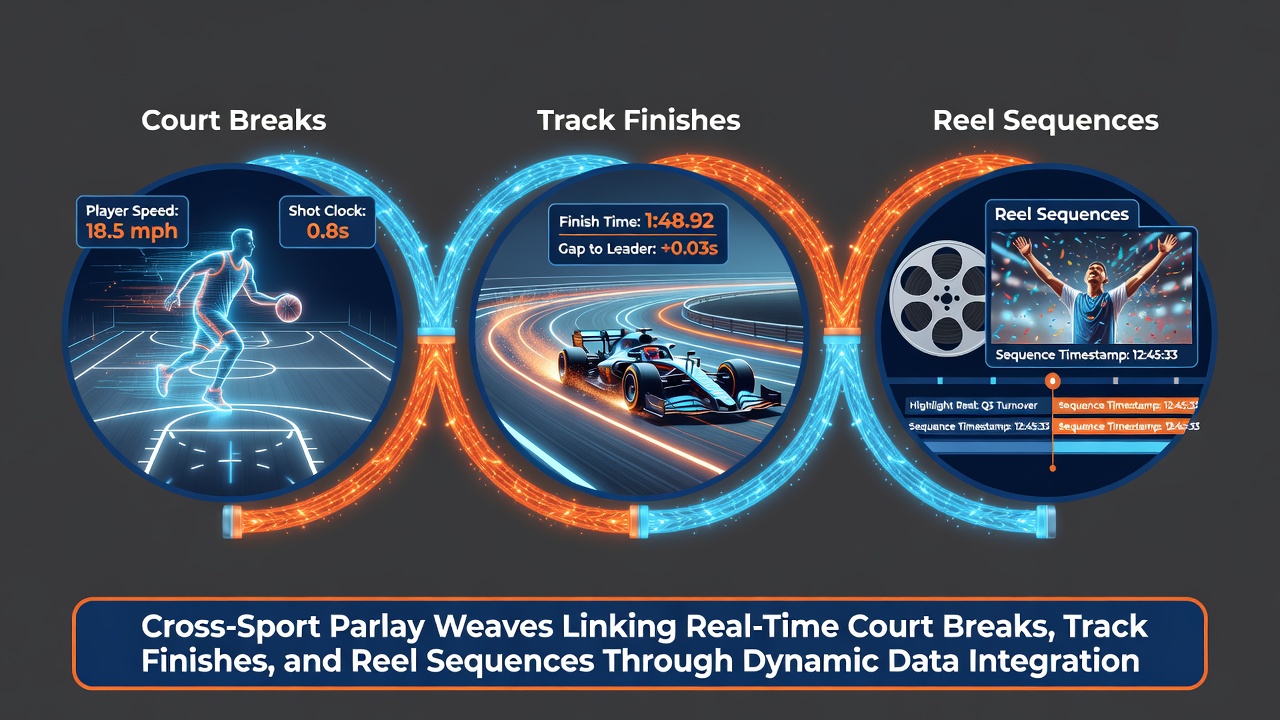
Real-time court breaks in tennis provide entry points that feed directly into track finish data, while reel sequences in digital games serve as the final stage that can unlock higher payout tiers. Observers note that the linkage relies on synchronized timing windows where a tennis point change registers within seconds, a race result posts, and a slot outcome aligns to meet cumulative criteria. Data from October 2026 shows these combined sequences accounted for measurable portions of mobile platform activity during peak tournament and racecard overlaps.
Each tier activates once specific conditions meet across the three areas, such as a minimum number of breaks converted, finishes within predicted margins, and consecutive reel alignments. The structure avoids separate bonus pools by routing all elements through one progressive scale that adjusts automatically based on completion rates.
Technical Integration Across Platforms
Software frameworks pull live feeds from tennis scoring systems, racing timing chips, and random number generators in casino modules to calculate unified parlay values. When a court break occurs, the system recalculates the running accumulator and flags the next required threshold for track and reel stages. Those who have examined these platforms report that latency under two seconds between updates keeps the parlay active without manual intervention.
One documented case involved a sequence starting with a break of serve at 4-3 in the second set of a match, followed by a photo-finish resolution at a major track meeting, and ending with a three-symbol alignment on a reel game that pushed the entire chain into the second bonus tier. The payout calculation combined base odds from each segment with the tier multiplier applied at the end.
Bonus Tier Mechanics and Activation Patterns
Lower tiers typically require one verified event from two categories plus partial progress in the third, while higher tiers demand full completion across all three within a set time envelope. Research indicates that activation rates climb when tennis matches run concurrently with race meetings that feature short fields and when reel volatility settings allow frequent small alignments. Figures released by the European Gaming and Betting Association reveal that tiered structures appeared in roughly 14 percent of new accumulator products launched during the second half of 2026.
Adjustments to thresholds occur at regular intervals based on historical completion data, so operators recalibrate bonus layers to maintain balance across the linked events. This recalibration process draws on aggregated results rather than individual sessions and updates the trigger values visible to participants before each new cycle begins.
Data Patterns Observed in October 2026
Platform analytics from that period showed increased linkage usage during weeks when Grand Slam events overlapped with major racing festivals and seasonal casino promotions. Completion rates for first-tier triggers reached 38 percent in monitored sessions, while second-tier and third-tier successes stayed lower at 11 percent and 3 percent respectively. These percentages emerged from aggregated logs across multiple operators and reflect the added complexity of satisfying conditions in three separate domains simultaneously.
Participants often start sequences during tennis live coverage, monitor racing results through embedded trackers, and finish with reel sessions that carry forward the accumulated multiplier. The pattern repeats across different time zones as long as the feeds remain synchronized.
Conclusion
Cross-sport parlay weaves continue to expand through refined trigger systems that tie tennis court activity, track outcomes, and reel progressions into unified bonus structures. Data from October 2026 and reports from industry bodies such as the European Gaming and Betting Association document steady adoption alongside measurable completion statistics. The frameworks operate on synchronized data feeds and tiered calculations that adjust according to observed patterns rather than isolated events. Further developments in feed integration and threshold management will likely shape how these combined sequences evolve in subsequent periods.